
Malaysia’s hospitality industry is no longer preparing for change, it is already experiencing it. With tourism continuing to gain momentum and Visit Malaysia Year 2026 extended into 2027, the industry has entered a new phase of growth driven by digital innovation, evolving traveler expectations, and a stronger focus on sustainability.
In a recent industry-academia collaboration between eZee Malaysia and Dr. Shantini Thuraiselvam from Taylor’s University, hospitality professionals explored the key trends, challenges, and opportunities that will shape the future of Malaysia’s hospitality landscape.
Malaysia’s Hospitality Industry Is Entering a New Era
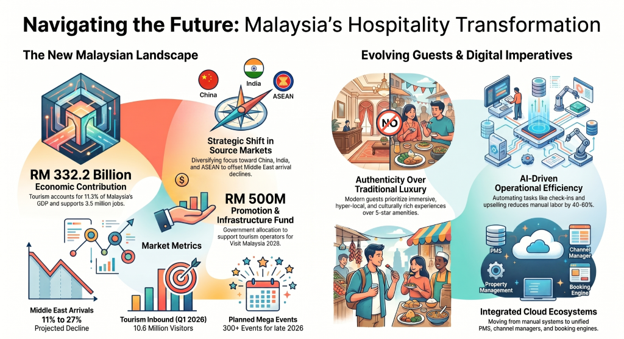
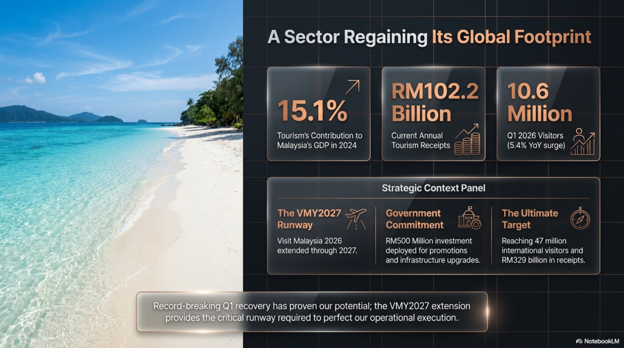
Tourism remains one of Malaysia’s most important economic sectors. In 2025, the industry contributed RM332.2 billion, representing 11.3% of the nation’s GDP while supporting approximately 3.5 million jobs.
The growth trajectory remains positive. In the first quarter of 2025 alone, Malaysia welcomed 10.6 million international visitors, reflecting a 5.6% increase compared to the previous year. This strong performance has contributed to the extension of Visit Malaysia Year 2026 into 2027, creating new opportunities for hotels, resorts, serviced apartments, and short-stay operators across the country.
While the outlook remains optimistic, hospitality businesses must continue to navigate global uncertainties, changing travel patterns, and increasing competition. Success will depend on how effectively operators adapt to these evolving conditions while delivering memorable guest experiences.
Understanding the New Generation of Travelers
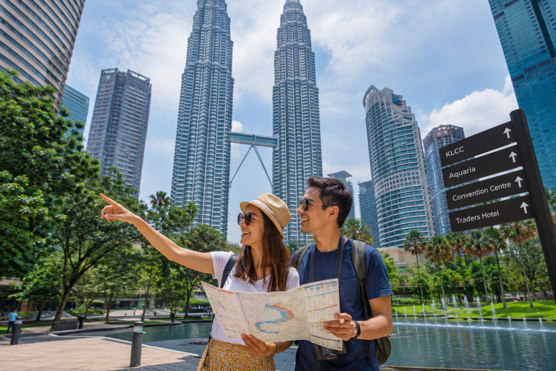
Today’s travelers are more diverse than ever before, and understanding their expectations is becoming increasingly important.
Domestic travelers continue to play a crucial role in supporting the tourism industry. Many are family-oriented and often travel in multi-generational groups, seeking convenience, value, and meaningful local experiences.
At the same time, the rise of remote work has created a growing population of digital nomads. These travelers look beyond accommodation and seek environments that support both work and leisure. Reliable internet connectivity, comfortable workspaces, community areas, and long-stay amenities have become key decision-making factors.
Another emerging segment is what many industry experts refer to as the “global benchmarker”, travelers who compare their experiences against international standards. These guests expect seamless digital interactions, personalized services, and authentic local experiences that are worthy of sharing on social media.
Whether it is a family on a weekend getaway, a business traveler attending meetings, an expatriate on a long-term stay, or a solo backpacker exploring local culture, guests today expect more than just a place to sleep. They expect convenience, personalization, and experiences that provide value for their money.
The Challenges Hospitality Businesses Must Address
Despite encouraging tourism growth, hospitality operators continue to face several significant challenges.
During a live poll conducted during the session, 33% of participants identified rising operational costs as the biggest challenge facing the industry by 2030. Increasing expenses related to utilities, maintenance, supplies, and labor are putting pressure on profitability and forcing businesses to find new ways to improve efficiency.
| Challenge | Impact | Mitigation Strategy |
| Rising Costs | Margin compression and reduced profitability. | Technology adoption and operational efficiency. |
| Labor Shortage | Service quality challenges and wage pressure. | Upskilling and automation. |
| Sustainability | Compliance pressure and guest concern over impact. | Green certifications and energy efficiency. |
Labor shortages remain another major concern. Recruiting and retaining skilled hospitality talent has become increasingly difficult, leading to operational strain and potential impacts on service quality. As guest expectations continue to rise, maintaining excellent service standards with limited manpower becomes even more challenging.
Sustainability is also moving higher on the priority list. Travelers are becoming more environmentally conscious, while governments and industry stakeholders continue to encourage greener practices. Hotels and accommodation providers are increasingly expected to demonstrate responsible operations through energy efficiency initiatives, waste reduction programs, and sustainable business practices.
These challenges are interconnected, and many operators are discovering that technology can play a critical role in helping them overcome them.
Technology and AI Are Becoming Essential
Technology is no longer simply a competitive advantage, it has become a strategic necessity for hospitality businesses looking to remain efficient, profitable, and guest-centric.
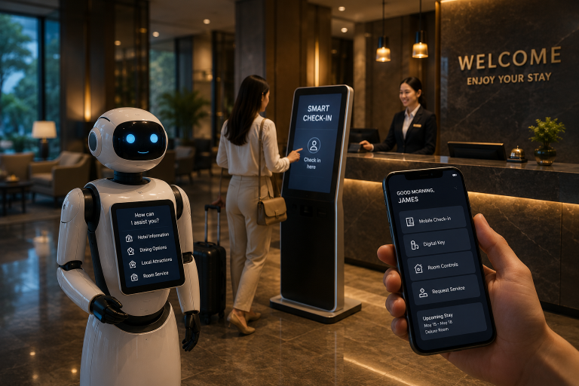
Modern cloud-based hospitality solutions help automate repetitive tasks, improve operational visibility, and create more seamless guest experiences. In many cases, integrated systems can significantly reduce manual workloads while allowing teams to focus on higher-value activities that directly impact guest satisfaction.
Beyond operational systems, artificial intelligence is becoming one of the most transformative technologies in hospitality.
Rather than replacing human interaction, AI is helping hospitality teams automate routine tasks so they can focus on creating better guest experiences.
At the same time, intelligent recommendation engines can suggest relevant services such as spa treatments, dining experiences, room upgrades, or additional amenities, creating new revenue opportunities while enhancing the guest experience. Even the checkout process can be simplified through automation, reducing queues and improving convenience for travelers.
The future of hospitality is not about choosing between technology and people. It is about creating synergy between both.
Developing Future-Ready Hospitality Talent
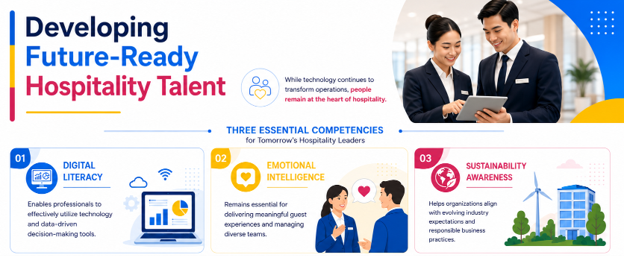
While technology continues to transform operations, people remain at the heart of hospitality.
According to Dr. Shantini Thuraiselvam, future hospitality leaders will need to develop skills that extend beyond traditional operational knowledge. Three competencies are becoming increasingly important:
- digital literacy
- emotional intelligence
- sustainability awareness.
Digital literacy enables professionals to effectively utilize technology and data-driven decision-making tools. Emotional intelligence remains essential for delivering meaningful guest experiences and managing diverse teams. Sustainability awareness helps organizations align with evolving industry expectations and responsible business practices.
Recognizing the importance of preparing future talent, industry-academia collaboration is becoming increasingly valuable. Partnerships between educational institutions and industry players help bridge the gap between academic learning and real-world operational requirements.
As part of this effort, Taylor’s University offers opportunities for hospitality professionals to continue developing their skills through programs such as the Master of Global Hospitality Management, which incorporates flexible online learning approaches designed for working professionals.
Looking Ahead to 2027 and Beyond
The future of Malaysian hospitality is not simply about welcoming more tourists. It is about creating experiences that are meaningful, efficient, sustainable, and guest-centric.
The businesses that thrive in the coming years will be those who:
- Understand evolving traveler expectations
- Embrace technology strategically
- Invest in talent development
- Remain adaptable in an increasingly competitive marketplace.
As Visit Malaysia Year continues into 2027, hospitality operators have a unique opportunity to strengthen their operations, elevate guest experiences, and position themselves for long-term success.
The industry is already changing. The question now is whether your property is ready to evolve alongside it.