
Your Neighbour Hotel Just Sold 30 Rooms at 2X Your Rate Last Night & How Did That Happen
Imagine this situation.
A hotel just a few streets away from yours sold 30 rooms last night at twice your room rate.
Meanwhile, your hotel kept the same price as usual.
You might think:
- “Maybe their hotel is more famous.”
- “Maybe they have better facilities.”
- “Maybe they just got lucky.”
But in many cases, the real reason is much simpler.
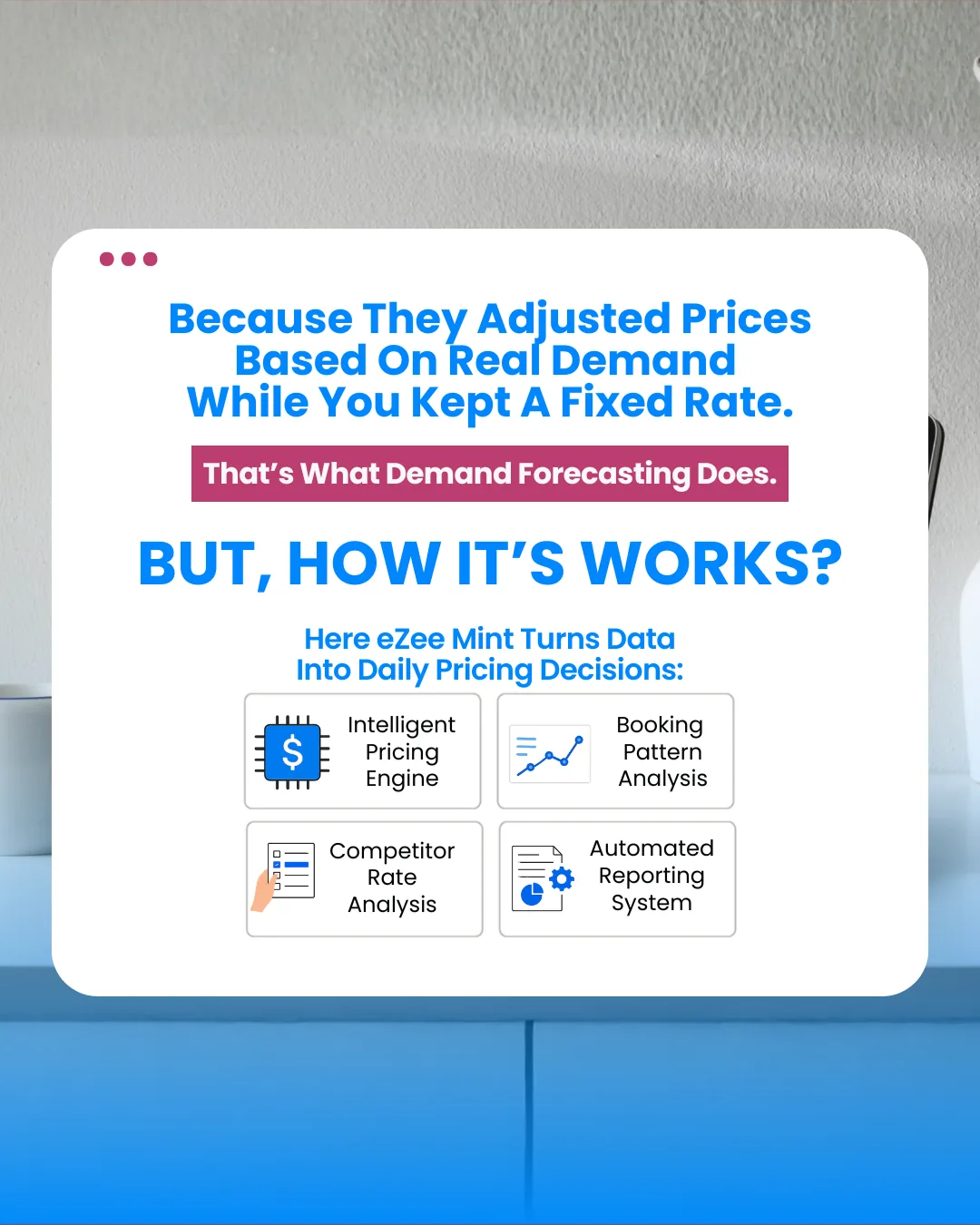
They adjusted their pricing based on demand, while your hotel kept a fixed rate.
This approach is known as demand-based pricing, and it is becoming increasingly important for hotels across Malaysia.
The Hidden Revenue Opportunity Most Hotels Miss
Many hotels still follow a fixed pricing strategy.
For example:
- RM180 per night on weekdays
- RM220 per night on weekends
- RM250 during public holidays
While this may feel safe, it often means hotels leave money on the table.
In reality, room demand changes constantly based on factors such as:
- School holidays
- Major events
- Flight arrivals
- Tourist seasons
- Booking patterns on OTAs
- Competitor pricing
Hotels that monitor these signals can increase rates when demand is high and adjust prices strategically when demand is low.
This is the foundation of hotel revenue management.
Why Some Hotels Sell at Higher Rates Even Nearby
Hotels that consistently achieve higher room rates usually rely on data-driven pricing strategies.
Instead of guessing prices, they analyse:
1. Booking Patterns
How far in advance are guests booking?
If rooms begin filling quickly for certain dates, it signals strong demand, allowing hotels to increase prices early.
2. Competitor Pricing
Guests often compare multiple hotels on OTAs like:
- Booking.com
- Agoda
- Trip.com
Hotels that track competitor pricing can stay competitive without underpricing their rooms.
3. Demand Forecasting
Demand forecasting helps hotels estimate future occupancy levels.
For example:
- A major festival
- A business conference
- School holidays
- Long weekends
These situations often trigger sudden spikes in bookings.
Hotels prepared for these trends can increase rates at the right time.
4. Market Behaviour on OTAs
OTAs constantly display price comparisons to travellers.
Hotels that manage rates dynamically can optimise their position on OTA platforms, increasing both visibility and profitability.
The Malaysian Market Is Becoming More Competitive
Malaysia’s hospitality industry is evolving quickly.
With Visit Malaysia campaigns, increased regional travel, and more properties entering the market, hotels now face stronger competition than ever.
Guests also have more price transparency through OTAs.
In cities such as:
- Kuala Lumpur
- Johor Bahru
- Penang
- Kota Kinabalu
- Langkawi
Travellers often compare 10–15 hotels before making a booking.
If pricing strategies are not optimised, hotels risk:
- Losing bookings to nearby competitors
- Selling rooms too cheaply during high demand
- Missing revenue opportunities during peak periods
This is why more Malaysian hotels are adopting revenue management tools and strategies.
What Demand Forecasting Actually Does
Demand forecasting transforms raw data into pricing decisions.
Instead of relying on guesswork, hotels can analyse multiple factors simultaneously.
A modern revenue management system can evaluate:
- Historical booking trends
- OTA booking pace
- Competitor rate changes
- Market demand signals
- Occupancy forecasts
From there, the system recommends optimal room prices for each date.
This allows hotels to:
- Increase rates when demand is high
- Maintain competitive pricing
- Improve occupancy and revenue simultaneously
Could Your Hotel Be Missing Revenue Opportunities?
If your hotel currently:
- Uses the same rates for long periods
- Adjusts pricing manually without data insights
- Does not track competitor rates regularly
- Relies mainly on OTA pricing suggestions
Then there may be significant opportunities to optimise your pricing strategy.
Even small adjustments in pricing can create a large impact on revenue over time.
Final Thoughts
The hotel down the street selling 30 rooms at double your rate may not necessarily have better facilities or marketing.
They may simply be using smarter pricing strategies.
In today’s competitive hospitality market, data-driven pricing is becoming a key advantage for hotels aiming to maximise both occupancy and revenue.
Want to Learn How Demand-Based Pricing Works for Your Hotel?
If you would like to explore how demand forecasting and dynamic pricing can support your hotel’s revenue strategy, the team at eZee Malaysia is always ready to help.