
Can AI Really Handle Your Hotel Guests? Here’s What It Actually Does

The question every hotelier is asking
“Can AI really talk to my guests properly?”
It is a fair concern. Hospitality depends on the human touch, and automation should never make a guest feel ignored or misunderstood. Used well, AI supports the team by handling repetitive communication while staff focus on the moments that need judgement and empathy.
What AI can handle in a hotel
1. Answering common guest questions
AI can respond instantly to routine questions about room availability, check-in and check-out times, facilities, services and directions. Guests get an answer even when the front desk is busy, which reduces missed enquiries and improves the chance of converting an enquiry into a booking.
2. Sending booking confirmations and updates
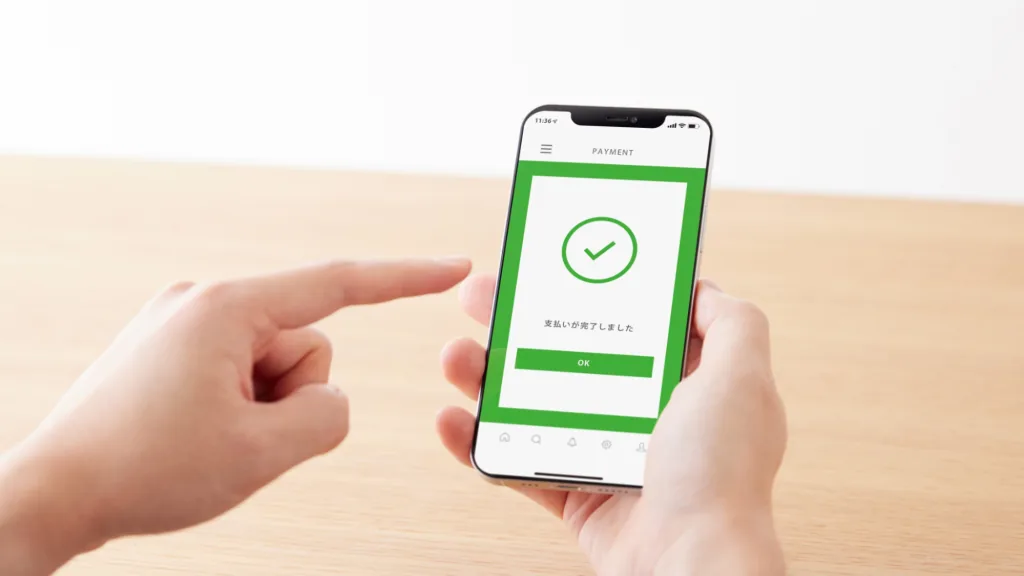
After a reservation is made, AI can send the confirmation, share booking details and deliver reminders before arrival. This reduces manual follow-up and gives guests confidence that everything is in order.
3. Automating check-in communication

AI can guide guests through pre-arrival instructions, check-in steps and smart-lock or access details. The result is a faster arrival experience and less congestion at the front desk.
4. Routing requests during the stay
Guests can request housekeeping, room service or extra amenities through the same messaging channel they already use. AI captures the request and routes it to the right team so the guest receives a faster response.
5. Collecting feedback after check-out

After departure, AI can send a feedback request and direct satisfied guests to the appropriate review platform. A consistent follow-up process can help a hotel collect more feedback and build a stronger online reputation.
What AI should not replace
AI should support, not replace:
- Personal guest interaction
- Sensitive complaint resolution
- Unusual requests that require judgement
- High-touch service moments
Automating routine communication gives the hotel team more time for guest experience, personalisation and relevant upselling.
Common concerns about hotel AI
“AI will replace my staff”
The goal is to reduce repetitive work, not remove the people who deliver hospitality. Staff remain responsible for decisions, exceptions and personal service.
“AI sounds too robotic”
Modern WhatsApp-based assistants can use natural, conversational language and hand a conversation to a person when the request needs human attention.
“My hotel is too small for AI”
Smaller properties often have the most to gain because a limited team has to cover reservations, arrivals, guest questions and follow-up at the same time.
Why this matters for Malaysian hotels
Guests in Malaysia already use WhatsApp throughout the booking and stay journey. Responding quickly can help a property win more direct bookings, improve guest satisfaction and reduce dependence on OTAs.
When connected with a hotel management system, an AI assistant can use accurate booking and guest information instead of working as a separate tool. Solutions such as eZee and Janus combine PMS data with WhatsApp automation to reduce manual work while keeping staff in control.