
Hotel Payment Methods in Malaysia: What Properties Should Accept

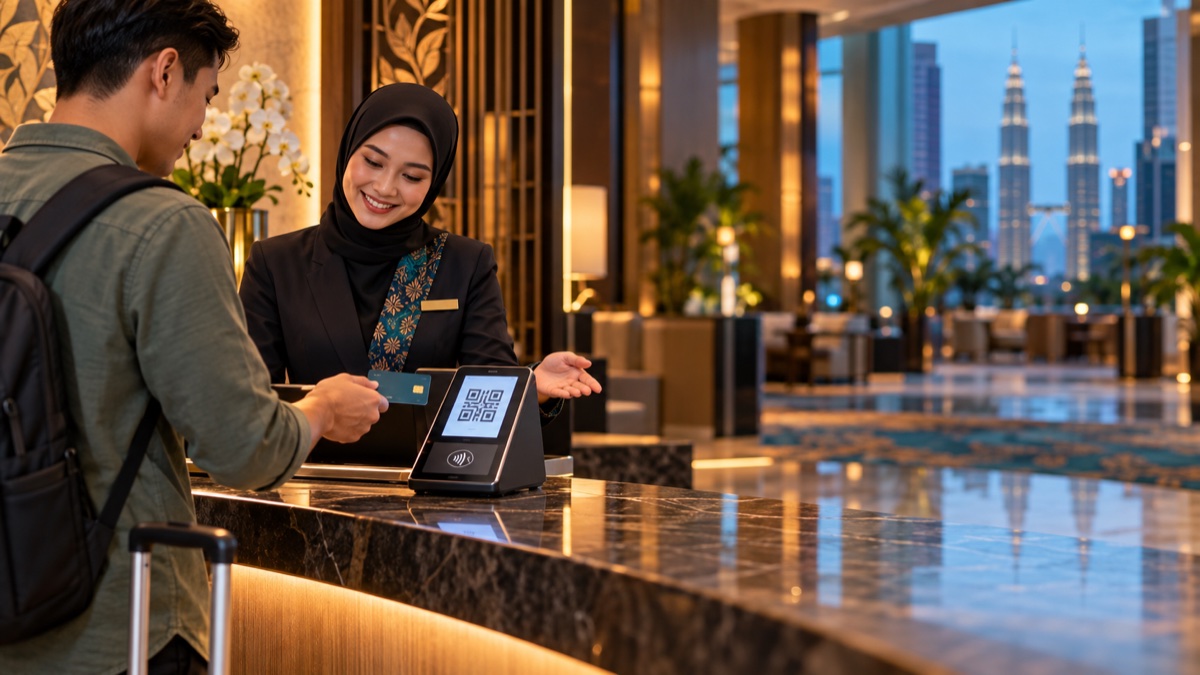
A hotel payment setup must serve more than the reception counter. Guests may pay a deposit on the website, settle a balance at check-out, scan a QR code in the restaurant or use an international card before they arrive.
The right mix gives guests familiar choices while giving the hotel a reliable trail from reservation to settlement.
The main hotel payment methods in Malaysia
Credit and debit cards
Cards are important for international and domestic guests, online bookings, deposits and on-property payments. They can also support authorisation or scheduled charges where the payment provider and agreed guest terms allow it.
The hotel should never collect full card details through ordinary email, chat or handwritten notes. Use a payment provider and booking flow designed to handle card information securely.
FPX and online banking
Online banking suits Malaysian guests who want to pay directly from their bank account. It can be useful for deposits and prepaid direct bookings when the payment experience returns a clear success or failure result to the reservation.
The operational question is not only whether the payment was initiated. Staff need to know whether it was completed, which booking it belongs to and whether a refund is later required.
DuitNow QR
DuitNow QR gives hotels a familiar way to accept payments at reception and outlets. Bank Negara Malaysia describes it as a national QR option that can be paid through participating bank and e-wallet accounts, while PayNet identifies it as Malaysia's national QR standard.
Static QR displays can be convenient, but they may leave staff matching an amount and reference manually. A dynamic payment request linked to the transaction can produce a cleaner audit trail where supported.
For current public information, see Bank Negara Malaysia's e-Duit guide and PayNet's DuitNow QR overview.
E-wallets
E-wallet acceptance can serve guests who already use mobile payments for daily purchases. Confirm which wallets, settlement terms and refund processes are supported by your acquiring provider rather than listing a wallet only because its logo appears on a terminal.
Cash
Cash remains useful for some walk-ins and incidental payments. It also creates counting, storage, change and shift-handover work. Define float levels, receipt rules, safe access and end-of-day reconciliation clearly.
Payment links
A secure payment link can help with telephone reservations, group deposits or balances due before arrival. It is safer than asking a guest to type card information into a message. The link should come from a trusted domain, state the hotel and amount clearly, and update the reservation when paid.
Match the method to the payment moment
At direct booking
Offer a short, familiar set of methods that works well on mobile. Show the amount due now, what remains payable and the cancellation terms before the guest confirms.
The hotel booking engine and payment service should exchange status automatically. A successful payment should not leave an unconfirmed reservation, and a failed payment should not silently block inventory.
Before arrival
Use scheduled deposits or a secure payment request for balances due. Every reminder should identify the booking without exposing sensitive data.
At check-in
Make the deposit or authorisation rule consistent. Staff should understand the difference between money collected, money held and a card simply stored or validated by the provider.
During the stay
Restaurant, minibar and other charges should reach the correct room folio. An integrated hotel PMS and restaurant POS reduces handwritten postings and late disputes.
At check-out
Show prior deposits, new charges, refunds and the final balance in one statement. Split payment should not create duplicate postings or an unclear receipt.
Compare providers on operational details
Headline transaction fees are only one part of the decision. Ask each provider:
- Which local and international methods are supported?
- Can online and on-property payments use one reporting view?
- How are deposits, partial payments and split tenders handled?
- Does a successful payment update the PMS automatically?
- What is the settlement timing for each method?
- How are refunds and reversals processed?
- What happens during a connection outage?
- What security standards and fraud controls apply?
- Can finance export a clear transaction and settlement report?
- Who supports the hotel when a payment cannot be matched?
Do not publish security claims or payment logos until the provider has confirmed that they apply to your actual setup.
Reconcile transactions, not screenshots
A guest's phone showing “successful” is useful at the counter, but it is not a complete finance record. The hotel's workflow should match:
- Reservation or outlet bill
- Payment transaction and method
- Fees, refunds or reversals
- Provider settlement
- Bank receipt
Use a unique reference where possible. Investigate unmatched items daily instead of allowing them to accumulate until month end.
The night audit checklist should identify payments that are authorised but not captured, posted twice, refunded but not recorded or settled at an unexpected amount.
Give guests choice without creating chaos
More payment methods are not automatically better. Keep the options that guests use, staff understand and finance can reconcile. A method that works at the counter but cannot be tied to the folio creates hidden admin work.
eZee's payment processing for Malaysian hotels connects online banking, DuitNow QR, e-wallets and cards with the PMS, booking engine and POS. To review the payment journey using your own deposit and check-out rules, book a demonstration.