
Hotel Upselling Ideas That Improve the Guest Stay

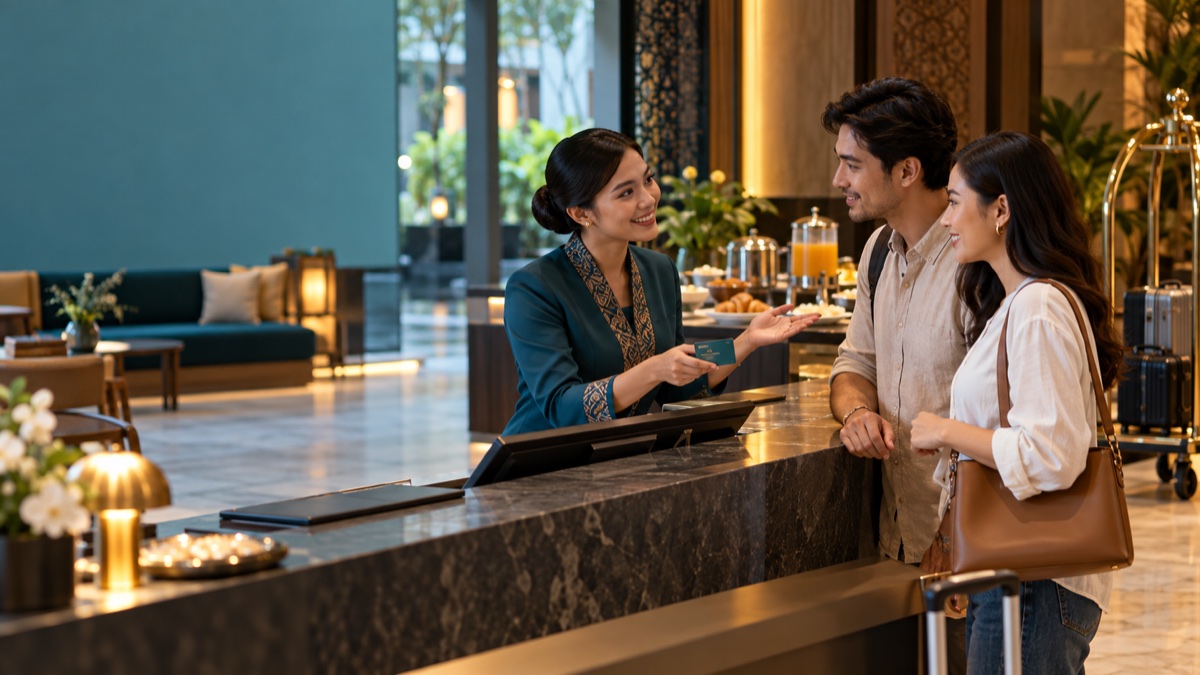
Hotel upselling works best when it feels like useful service. A family arriving early may value a confirmed early check-in. A couple celebrating an anniversary may welcome a room upgrade. A business traveller may simply want breakfast and a late check-out arranged in advance.
The aim is not to offer everything to everyone. It is to present a relevant choice, fulfil it reliably and measure whether the offer adds profitable revenue.
Start with offers the hotel can deliver
Build a short menu from existing capacity before creating complicated packages.
Room and time offers
- Upgrade to a larger room, better view or balcony
- Early check-in when the room can be released safely
- Late check-out around the next day's arrivals
- Confirmed connecting rooms or preferred floor where available
Food and beverage offers
- Breakfast added to a room-only booking
- Welcome drinks or a simple arrival snack
- Dinner reservation or set menu
- Celebration cake or in-room amenity
Convenience offers
- Airport or station transfer
- Parking
- Laundry bundle
- Local tour or activity through a vetted partner
- Extra bed, baby cot or family setup
An offer is only useful if operations can deliver it. Housekeeping, front desk and F&B must agree on capacity, cut-off times and who owns each request.
Calculate the real contribution
Revenue alone can make a weak offer look attractive. Estimate:
Upsell contribution = selling price − direct fulfilment cost − partner or payment cost
For an early check-in, the direct cost may include priority cleaning and the risk of overpromising before the room is ready. For an airport transfer, it may include the driver's charge and coordination time.
Price the offer so it is worthwhile, but keep the value obvious to the guest. A confusing bundle with five minor inclusions is harder to understand than one clear benefit.
Match the offer to the guest journey
Immediately after booking
Use the confirmation to establish trust. Show the stay details first. Then offer one or two logical additions, such as breakfast or transport, rather than a long catalogue.
Before arrival
This is a useful time for choices that need planning. The hotel knows the stay dates, room type and number of guests, while the guest is thinking about the trip.
Examples include:
- Transfer for a guest arriving by air
- Family setup for a booking with children
- Celebration amenity when the booking notes mention an occasion
- Upgrade when a higher room category remains available
At check-in
Keep the offer brief. The guest may be tired or managing luggage. Give the front desk one relevant suggestion, with the full price and benefit stated clearly.
Instead of “Would you like to upgrade?”, try: “A balcony room is available for RM60 more per night. Would you like to see the difference?”
During the stay
Use context rather than interruption. A restaurant offer may be relevant before dinner; laundry may be useful during a longer stay; late check-out should be considered only after the next day's occupancy is understood.
Use guest information responsibly
Personalisation should help the guest, not make them feel watched. Use information the guest provided for the stay and keep access limited to staff who need it.
Useful signals include:
- Number and ages of guests
- Arrival time or transport request
- Room type booked
- Length and purpose of stay when voluntarily shared
- Preferences from a previous stay
- Requests already made
Avoid assumptions based on nationality, appearance or other sensitive traits. Do not turn a private note into a sales prompt.
Give staff a simple playbook
Front-desk upselling becomes inconsistent when every employee must invent the pitch. For each offer, document:
| Item | Example |
|---|---|
| Guest need | Arriving before standard check-in |
| Offer | Confirmed early check-in |
| Price | Fixed amount shown in RM |
| Availability rule | Only after room status is verified |
| Cut-off | Before the agreed time |
| Fulfilment owner | Front office and housekeeping |
| PMS posting | Correct package or charge code |
Train staff to ask once, accept “no” gracefully and never hide a charge inside friendly language. If the guest declines, continue the welcome without changing tone.
Connect the sale to fulfilment
The most damaging upsell is one that was paid for but not delivered. When the guest accepts:
- Add the item to the reservation or folio.
- Notify the responsible department.
- Record the timing and any special instructions.
- Confirm the price and inclusion with the guest.
- Check completion before arrival or the promised time.
A connected hotel PMS helps the front desk, housekeeping and outlets work from the same reservation. If the offer is sold online, the booking engine should pass it through without manual re-entry.
Measure more than the acceptance rate
Review each offer by:
- Number of eligible guests
- Number of offers shown
- Acceptance rate
- Revenue and contribution
- Fulfilment failures or refunds
- Guest feedback
- Staff member or channel, used for coaching rather than pressure
An offer with fewer sales but strong contribution and smooth fulfilment may be better than a popular offer that creates complaints.
Begin with three dependable offers
Choose one room offer, one food or beverage offer and one convenience offer. Test them for a month, listen to staff and guests, then improve the timing and wording.
Good upselling is a coordinated guest service process. If you want to see how offers, departments and folio charges can stay connected, book an eZee demonstration.